

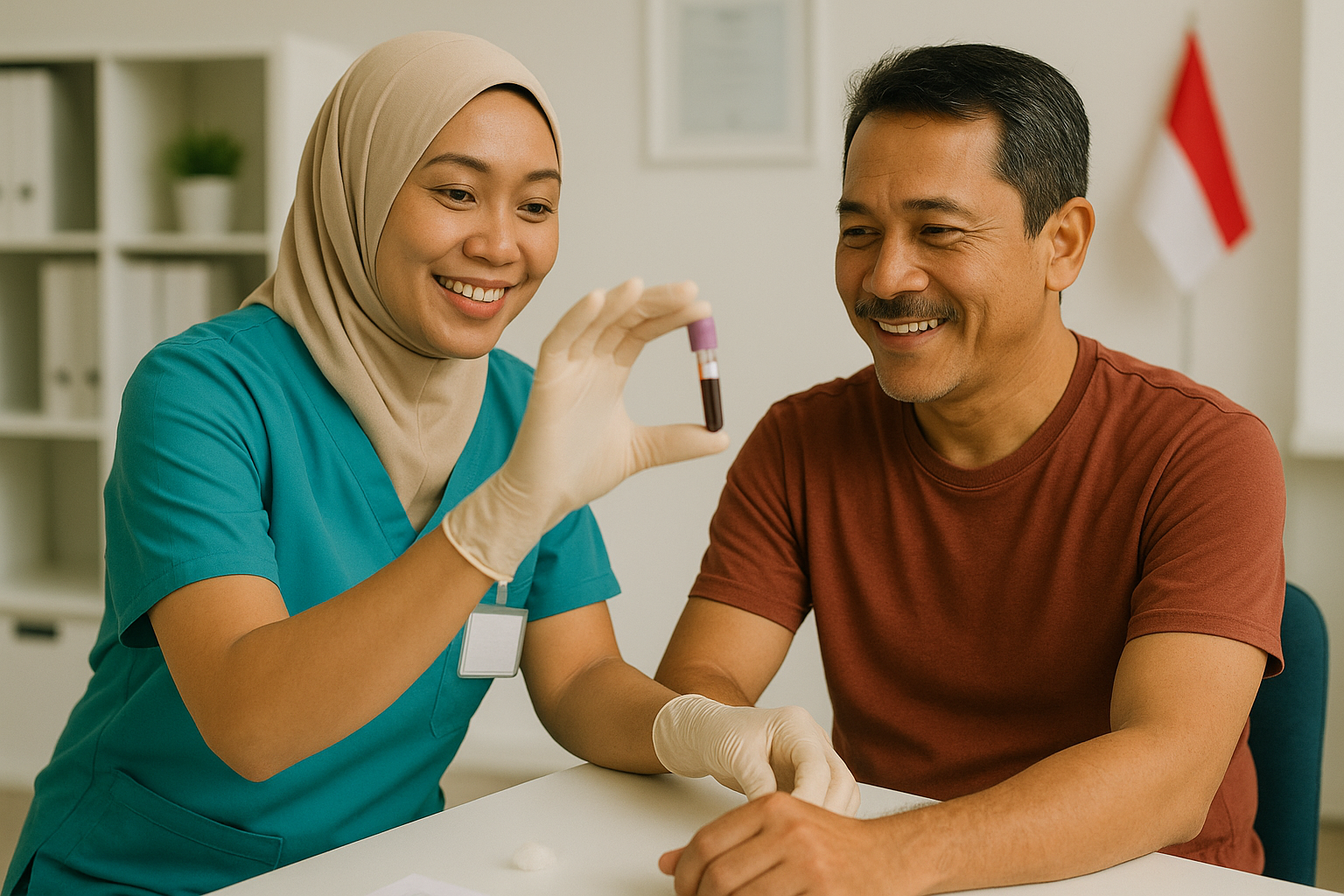
Low testosterone and anemia are linked far more often than most men realize: when testosterone falls, red blood cell production can quietly fall with it. Research in older men shows that those with low testosterone are roughly five times more likely to be anemic than men with normal levels, and a landmark clinical trial found that restoring the hormone corrected the problem for many affected men. Because both conditions cause fatigue, weakness, and foggy thinking, each can hide behind the other — and a single morning blood draw can screen for both.
Here is how the two are connected, what the research actually shows, and when it makes sense to get your levels checked.
How Testosterone Keeps Red Blood Cells in Production
Your bone marrow replaces millions of red blood cells every second, and testosterone supports that assembly line in at least three ways. It signals the kidneys to release more erythropoietin, the hormone that tells marrow to ramp up production. It suppresses hepcidin, a liver protein that locks iron away in storage — less hepcidin means more iron available to build hemoglobin. And it appears to act directly on stem cells in the marrow, nudging them toward becoming red cells.
That influence cuts both ways. Men on therapy can see their counts drift too high, a problem we break down in our guide to testosterone and hematocrit. Men with untreated low T can slide in the opposite direction, toward a shrinking red cell supply and, eventually, anemia.
Low Testosterone and Anemia: What the Research Shows
In a study of more than 900 older adults published in the Archives of Internal Medicine, participants with low testosterone were about five times more likely to have anemia than peers with healthy levels — and those who started out with normal blood counts were more likely to become anemic over the following three years.
The strongest evidence comes from the Testosterone Trials, a series of placebo-controlled studies in men 65 and older. In the anemia arm of the trials, published in JAMA Internal Medicine, a year of testosterone treatment raised hemoglobin significantly more than placebo in men with unexplained anemia, and a substantially larger share of treated men saw the deficiency resolve altogether.
None of this makes testosterone an anemia cure-all. Iron deficiency, low vitamin B12 or folate, kidney disease, and bleeding in the digestive tract remain the usual suspects, and a doctor must rule them out first. But when the standard workup comes back clean in a man who feels run down, the connection between low testosterone and anemia deserves a hard look.
Overlapping Symptoms Make Both Easy to Miss
The frustrating part is how similar the two conditions feel from the inside. The Mayo Clinic’s overview of anemia lists fatigue, weakness, shortness of breath during exertion, pale skin, cold hands and feet, and trouble concentrating. Compare that with the classic signs of low testosterone in men: persistent tiredness, reduced strength, low mood, flagging libido, and the mental cloudiness many patients describe as brain fog.
A man dealing with both often has his exhaustion written off as stress, age, or poor sleep. He may treat one condition while the other keeps dragging him down. That is why testing for them together matters — treating half the problem rarely produces the full recovery men are hoping for.
What a Proper Blood Test Should Include
Screening for both conditions is straightforward. A complete blood count measures hemoglobin and hematocrit, revealing whether red cell levels are low. Total and free testosterone should be drawn in the morning, when levels peak. Iron studies, ferritin, B12, and kidney markers help pin down the cause if anemia turns up. Our men’s blood test panel covers this ground in one visit, and our guide to normal testosterone levels by age can help you make sense of the numbers.
When Treatment Helps — and What to Expect
If testing confirms genuine hypogonadism and other causes of anemia have been excluded, testosterone replacement therapy can restore red blood cell production over a period of months. Hemoglobin tends to climb gradually rather than overnight, so expect follow-up blood work along the way — both to confirm the anemia is resolving and to make sure your counts do not overshoot in the other direction.
If you are dragging through your days and your blood work has raised more questions than answers, Nova Men’s Health can help. Our clinicians check hormone levels and blood counts together, explain the results in plain language, and build a treatment plan around the actual cause. Book a consultation with Nova Men’s Health today and get to the bottom of your fatigue.