

Alcohol and testosterone have a complicated relationship, and the short version is that regular heavy drinking lowers the very hormone that fuels male energy, muscle, and libido. An occasional beer or glass of wine causes only a small, temporary dip, while chronic or heavy use can suppress hormone production for the long haul. This guide breaks down how much drinking actually matters, the biology behind the drop, and the practical steps that help your numbers recover.
If you have been feeling flat, foggy, or less interested in the gym or the bedroom, your weekend habits may be part of the story. The good news is that this is one of the most fixable factors in men’s hormone health — far more so than age or genetics.
How Alcohol and Testosterone Interact in the Body
The link between alcohol and testosterone runs through three organs: the brain, the liver, and the testicles. Your pituitary gland releases luteinizing hormone (LH) and follicle-stimulating hormone (FSH), the chemical signals that tell your testes to manufacture testosterone. Alcohol blunts the release of both, so the “make more testosterone” message never fully arrives.
Inside the testes, alcohol is directly toxic to the Leydig cells that produce testosterone and the Sertoli cells that help sperm mature. According to a National Institutes of Health review on alcohol and male reproduction, sustained heavy drinking can shrink the testes and impair sperm production, not just lower a single blood value. The liver adds a final insult: as it works to clear alcohol, it converts more testosterone into estrogen, which is why long-term heavy drinkers sometimes develop breast tissue and lose body hair.
How Much Drinking Actually Lowers Your Levels
Not every drink is a crisis. Research shows a clear dose-response pattern — the more and the more often you drink, the bigger the hit. A diet-controlled study found that even moderate daily drinking reduced blood testosterone by roughly 7% in middle-aged men. A larger systematic review and meta-analysis of alcohol and reproductive hormones confirmed that heavier, chronic intake is associated with meaningfully lower testosterone and disrupted LH and FSH signaling.
The pattern that does real damage is regular heavy or binge drinking. In controlled studies, testosterone began falling within about five days of sustained heavy consumption and kept dropping the longer it continued. A single big night out produces a short slump that usually rebounds; a five-nights-a-week habit keeps your system suppressed with no chance to recover. The practical takeaway is that frequency matters as much as quantity.
Signs Your Drinking May Be Affecting Your Hormones
Low testosterone rarely announces itself. It creeps in as fatigue, low motivation, weaker erections, stubborn belly fat, and a shorter fuse. Because those overlap with plain old stress and poor sleep, drinking-related decline is easy to miss. If several of these ring true, it is worth reviewing the fuller list of signs of low testosterone in men and comparing your bloodwork against the normal testosterone ranges for your age.
Alcohol also sabotages testosterone indirectly by wrecking your sleep. Most of your daily testosterone is produced during deep and REM sleep, and even a couple of drinks fragment those stages — a connection we cover in our guide to how hormones and sleep influence each other. Worse rest means lower output the next day, on top of alcohol’s direct effect.
How to Protect and Rebuild Your Testosterone
The encouraging part is that the testes are resilient. When drinking drops, LH and FSH signaling often recovers and testosterone climbs back over weeks to months, especially in men who have not sustained years of heavy use. You do not have to quit entirely — most men see benefit simply by moving from daily or binge drinking toward a few drinks spread across the week, with several alcohol-free days.
Pair that with the basics that move hormones the most: strength training, seven-plus hours of sleep, and a diet built around the best foods to increase testosterone. Correcting a deficiency in vitamin D helps too, since it plays a supporting role in hormone production. These habits compound — cutting back on alcohol amplifies everything else you do.
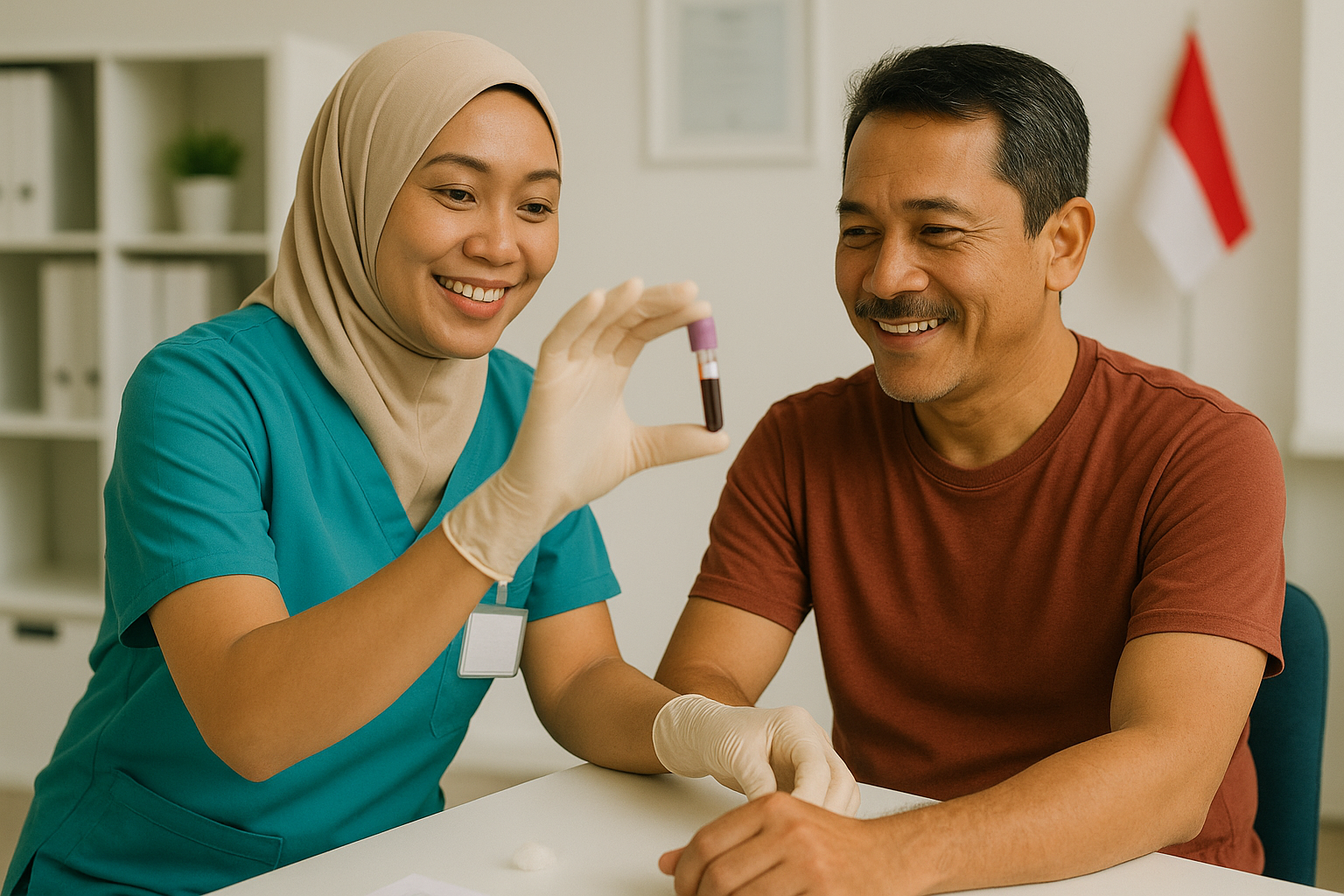
If you have trimmed your drinking, cleaned up sleep and training, and still feel off, the smart move is to measure rather than guess. A blood panel tells you exactly where you stand, and a qualified clinician can rule out other causes before recommending treatment.
Ready to find out where your levels really are? The team at Nova Men’s Health offers confidential testing and physician-guided testosterone therapy tailored to your goals. Book a consultation today and take the guesswork out of your hormone health.
Does Quitting Alcohol Raise Testosterone?
For many men, yes. When you remove the constant suppression that alcohol places on the brain-testes axis, LH and FSH signaling normalizes and natural production tends to rebound. Men who cut back often report better sleep, sharper focus, and improved libido within a few weeks — some of which comes from higher testosterone and some from simply sleeping and recovering better. The heavier and longer your drinking history, the longer the recovery, but the direction is almost always upward.