
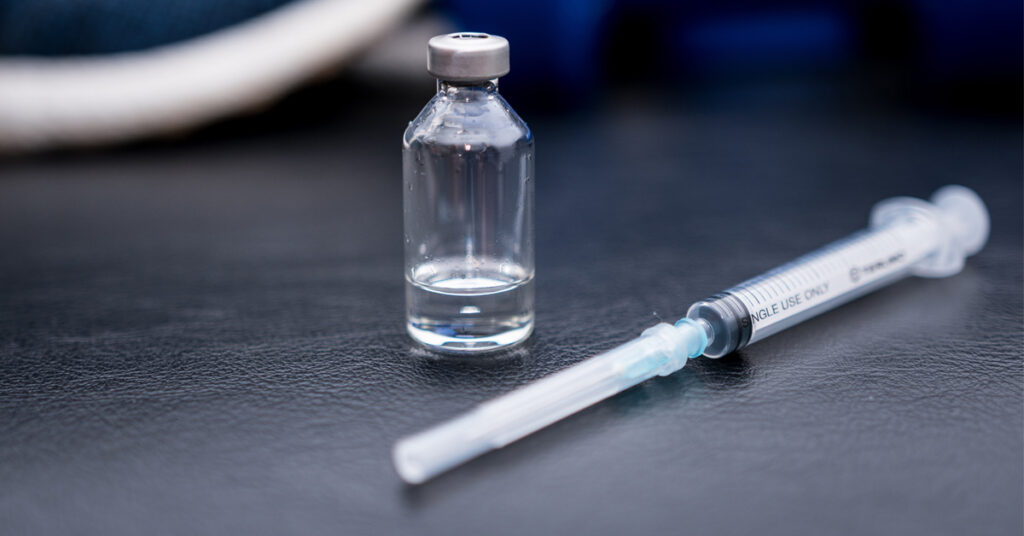

Subcutaneous testosterone injections put testosterone into the fat layer just under the skin instead of deep into a muscle, and a growing number of men on TRT are switching to them. The short version: SubQ shots use a much smaller needle, tend to produce steadier blood levels with fewer hormonal spikes, and in several studies performed just as well as traditional intramuscular (IM) injections. The trade-offs are a smaller volume per shot, the occasional lump or itch at the site, and the fact that not every provider is comfortable prescribing them yet.
If you have been white-knuckling a 1.5-inch needle into your glute every week, this is worth a read.
What Subcutaneous Testosterone Injections Actually Are
For decades, injectable testosterone meant one thing: a long needle, a deep muscle, and often a sore leg or backside for a day or two afterward. That approach works, and it is still the default in most clinics. But the muscle was never magic. It is simply a large, well-perfused depot that absorbs an oil-based drug reliably.
Subcutaneous testosterone injections use the same medication, usually testosterone cypionate or enanthate, delivered into the fatty tissue of the abdomen or outer thigh with an insulin-style syringe. The needle is typically 27 to 30 gauge and about half an inch long. Most men describe the sensation as a pinprick. There is no need to hunt for a landmark on your glute, no awkward twisting, and far less risk of hitting a nerve or blood vessel.
Because fat has less blood flow than muscle, the testosterone is released more gradually. That slower absorption is the whole point.
SubQ vs. IM: What the Research Shows
The first serious look at this question came from endocrinologists treating patients who needed weekly testosterone but dreaded the IM routine. A 2017 study in the Journal of Clinical Endocrinology and Metabolism found that weekly SubQ dosing reliably produced serum testosterone in the normal male range, and most participants preferred it over the muscle shot they had used before.
A larger comparison followed. Researchers publishing in the Journal of Urology tracked 234 hypogonadal men receiving 100 mg per week of either IM testosterone cypionate or a SubQ testosterone enanthate autoinjector. After 12 weeks, both groups reached therapeutic testosterone levels, but the SubQ group showed noticeably smaller rises in estradiol and hematocrit. That matters. Those two markers drive many of the side effects men complain about on TRT, and they are the reason we watch hematocrit on testosterone therapy so closely.
Why the peak-to-trough ratio matters
A big IM dose absorbed quickly creates a spike in the first 24 to 72 hours, followed by a slide toward the next shot. Men often feel that as a mood or energy roller coaster, and the spike is when the most testosterone gets converted to estrogen. Flatter curves mean fewer swings and, for many men, fewer complaints about water retention, irritability, or nipple sensitivity. If you have ever wondered why your estradiol level keeps creeping up on injections, delivery method may be part of the answer.
Practical Advantages of Subcutaneous Testosterone Injections
Beyond the lab numbers, the everyday benefits are what convince most men to switch:
- Less pain and almost no post-injection soreness. The insulin needle barely registers, and there is no muscle ache the next day.
- Easier self-administration. You can see exactly what you are doing on your abdomen. No mirrors, no contortions.
- Smaller, more frequent doses are simple. Splitting a weekly dose into two or three SubQ shots is painless, which is one reason many protocols pair SubQ with a more frequent testosterone injection schedule.
- Lower effective dose for some men. Because absorption is more complete and steady, several clinicians report reaching the same blood levels with 10 to 20 percent less testosterone. Your provider will confirm this with follow-up labs rather than guessing.
Compared with the alternatives, SubQ sits in a sweet spot. It is more flexible than pellets, which lock in a dose for months, and more reliable than gels, which depend on skin absorption and can transfer to partners or children. Our comparison of testosterone pellets versus injections covers those trade-offs in more depth.
Downsides and Who Should Stick With IM
SubQ is not perfect. The most common complaint is a small, firm lump under the skin that fades over a few days, sometimes with itching or mild redness. This is more likely with larger volumes or with cypionate suspended in cottonseed oil, which some men find irritating. Rotating sites across the abdomen and keeping each shot to roughly 0.5 mL or less usually solves it.
Volume is the real ceiling. Fat tissue cannot comfortably absorb the 1 mL or more that a muscle handles easily, so men on higher weekly doses often need to split them. Very lean men with little abdominal fat may also find the technique awkward, and IM into the thigh may simply be easier.
Finally, most testosterone products carry IM-only labeling. SubQ use of cypionate is off-label, though widely practiced and supported by the studies above. The Mayo Clinic lists both routes and notes that the safety monitoring is identical: periodic checks of testosterone, estradiol, hematocrit, and PSA regardless of where the needle goes.
How to switch to subcutaneous testosterone injections safely
Do not change routes on your own. A good clinician will start you at your current dose or slightly lower, have you split it into two weekly shots, and then recheck a full hormone panel at six to eight weeks. Trough levels, estradiol, and hematocrit tell the story; adjustments are made from there. Most men settle into a stable routine within one or two cycles.
The Bottom Line
Subcutaneous testosterone injections deliver the same hormone with a smaller needle, less pain, and a smoother blood-level curve. For men who dread their weekly IM shot, or who struggle with elevated estradiol or hematocrit on standard injections, they are a legitimate, well-studied option rather than a fringe trick.
The right choice still depends on your dose, your body, and your labs. If you want to explore whether SubQ dosing fits your testosterone replacement therapy plan, book a consultation with Nova Men’s Health. Our clinicians will review your current protocol, run the right bloodwork, and build an injection schedule you can actually stick to.