

SHBG in men is the single biggest factor deciding how much of your testosterone actually works. Sex hormone-binding globulin (SHBG) is a protein made by the liver that latches onto testosterone in the bloodstream and holds most of it in reserve, leaving only a small free fraction available to your muscles, brain, and libido. When SHBG runs too high or too low, your total testosterone number stops telling the whole story, which is why testing it can explain symptoms a standard panel misses.
If you have ever been told your testosterone is “normal” yet you still feel flat, foggy, or low on drive, this protein deserves a closer look. Plenty of men chase signs of low testosterone for years without anyone checking the one lab that determines how much hormone they can actually use.
What SHBG Actually Does in the Male Body
Think of SHBG as a fleet of armored trucks. Your liver builds them, loads them with testosterone, and sends them circulating through your blood. Hormone locked inside a truck is safe but unusable. Roughly half of a typical man’s testosterone rides bound to SHBG, most of the rest clings loosely to albumin, and only about one to two percent floats completely free.
That free slice, plus the loosely bound portion, is what scientists call bioavailable testosterone. It is the part that enters cells, switches on androgen receptors, and does the work you associate with the hormone: muscle repair, mental sharpness, morning energy, sex drive. According to the National Library of Medicine, most circulating testosterone is bound to SHBG, which is exactly why two men with identical total testosterone can feel completely different. Where you sit on the range of normal testosterone levels by age matters far less than how much of that number is actually free.
What High SHBG in Men Means
High SHBG in men acts like a hormone tax. The liver produces extra binding protein, more testosterone gets locked away, and free levels quietly sink even while total testosterone looks respectable on paper.
Several things push SHBG upward. Age is the big one; levels climb steadily from your forties onward. An overactive thyroid raises it too, one of several ways thyroid problems and low testosterone travel together. Liver conditions, some anticonvulsant medications, very low body fat, and heavy drinking can all do the same.
The result is a frustrating pattern: classic low-T symptoms, a reassuring total testosterone result, and no answers. For these men, a calculated free testosterone based on SHBG is the test that finally connects the dots.
What Low SHBG Levels Can Signal
Low SHBG sounds like good news, since less binding protein should mean more free hormone. In practice it is usually a warning light. The liver dials down SHBG production in response to high insulin, so a low reading often points to insulin resistance, excess belly fat, or developing type 2 diabetes. Research published in PubMed Central links low SHBG with a markedly higher likelihood of metabolic syndrome in men.
Low SHBG also tends to come packaged with genuinely low total testosterone, because the same metabolic problems suppress both. Weight loss, resistance training, better sleep, and cutting alcohol raise SHBG toward healthy territory while improving the hormone itself. Our guide on how to increase free testosterone walks through the levers that matter most.
How to Test SHBG and Read the Results
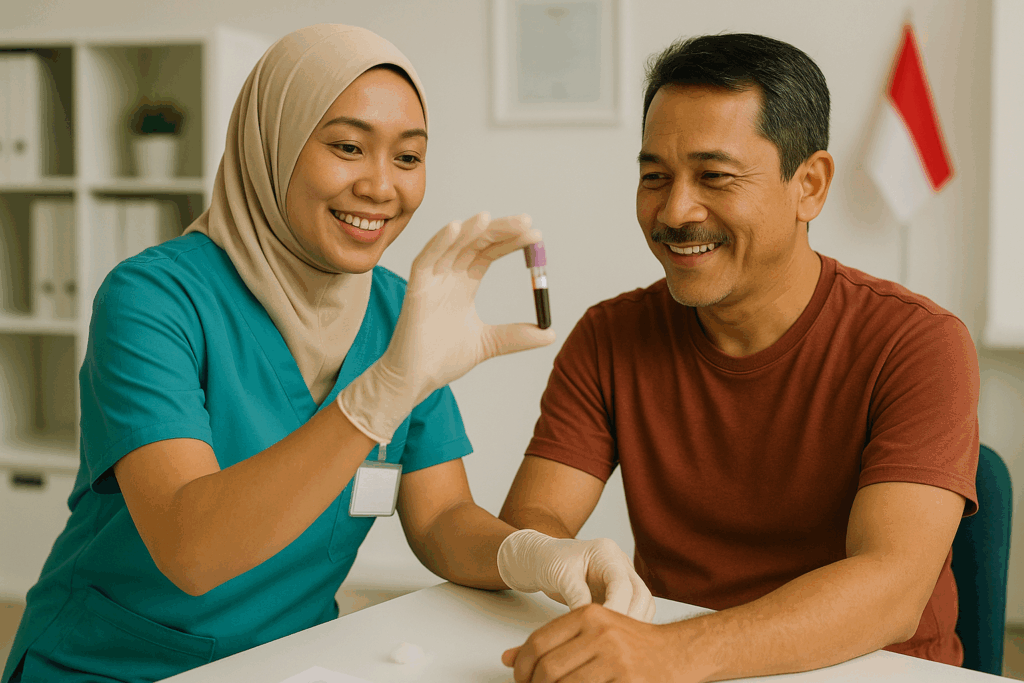
SHBG is measured with a simple morning blood draw, ideally between 7 and 10 a.m. alongside total testosterone. From those two values plus albumin, a lab can calculate your free and bioavailable testosterone, which is the number worth paying attention to.
Reference ranges vary by laboratory, but most healthy adult men fall somewhere between roughly 10 and 57 nmol/L. Context is everything: a result near the top of the range with borderline total testosterone can produce the same symptoms as outright deficiency, while a result near the bottom should prompt a look at blood sugar and waist size. A single odd reading also deserves a retest before anyone draws conclusions. A proper comprehensive hormone blood test pairs SHBG with estradiol, thyroid markers, and prolactin so nothing gets missed.
Get the Full Hormone Picture at Nova Men’s Health
Total testosterone alone is a headline without the article. If your energy, mood, or performance does not match your lab report, SHBG testing fills in the missing paragraphs, and treating what it reveals is often simpler than men expect. Whether the answer is metabolic work, medication review, or medically supervised testosterone replacement therapy, the team at Nova Men’s Health builds the plan around your complete panel, not one number. Book your consultation today and find out how much of your testosterone is actually working for you.