

Vitamin D and testosterone are two of the most tightly connected signals in a man’s body, and a shortfall in one almost always drags the other down. Men with low vitamin D tend to carry lower total testosterone, and correcting a true deficiency can nudge hormone levels back up, especially in men who were deficient to begin with. In this guide you will learn how the two hormones interact, what the latest research actually shows, how to spot the warning signs, and what to do if your blood work comes back low.
How Vitamin D and Testosterone Talk to Each Other
Despite the name, vitamin D is not really a vitamin at all. It behaves more like a steroid hormone, and your skin manufactures it out of cholesterol the moment UVB rays hit bare arms, legs, or face. That same cholesterol backbone is the raw material your testes use to produce testosterone, which is one of the reasons the two run on parallel tracks.
Inside the body, receptors for vitamin D show up on the Leydig cells of the testes, the very cells that churn out roughly 95 percent of a man’s testosterone. When those receptors are poorly stocked, the machinery runs rough. Vitamin D also seems to influence sex hormone-binding globulin, which determines how much of your testosterone is free and biologically active versus locked away.
Add in the immune, mood, and muscle-preserving roles of vitamin D, and you start to see why a deficiency can cascade into the same cluster of complaints a low-T man walks into the clinic with: fatigue, foggy thinking, stubborn body fat, and a libido that feels like it packed up and left town.
What the Research Actually Says About Vitamin D and Testosterone
The observational evidence is remarkably consistent. Men with 25-hydroxyvitamin D levels below 20 ng/mL tend to have measurably lower total testosterone than men in the sufficient range, and the association holds up even after adjusting for age, BMI, and the season the blood was drawn.
Intervention trials are messier, which is honest to admit. A 2024 meta-analysis pooling multiple randomized trials concluded that vitamin D supplementation produced a small but statistically meaningful bump in total testosterone, with the clearest benefit in men who started deficient. Studies in already-sufficient men, by contrast, usually show no additional payoff, which fits the broader pattern that you cannot overdose your way to higher hormones.
The practical takeaway is simple. If your vitamin D is genuinely low, fixing it can help your testosterone. If your vitamin D is already healthy, adding more will not turn you into a 25-year-old quarterback.
Signs Your Vitamin D and Testosterone Might Both Be Low
The symptom lists for low vitamin D and low testosterone overlap almost uncomfortably. Both can drain your energy, flatten your mood, shrink your training drive, soften your muscle, pad your midsection, and quietly throttle your sex drive. Men often chalk it up to turning forty, skipping sleep, or working too hard, when in reality a simple panel would flag the culprit in an afternoon.
Red flags worth paying attention to include persistent fatigue that coffee cannot patch, slow recovery from workouts you used to shrug off, aching joints or lower back pain, seasonal mood dips, recurring colds, and a libido that has noticeably cooled. If several of these land for you, a review of the signs of low testosterone in men is a sensible next step alongside a vitamin D check.
Context matters too. Men who work indoors, live above roughly the 37th parallel, have darker skin, are over 50, carry excess body fat, or avoid the sun for skin-cancer reasons are all at higher risk of deficiency and deserve to be screened earlier rather than later.
How Much Vitamin D Does a Man Actually Need?
The Endocrine Society considers serum 25-hydroxyvitamin D above 30 ng/mL adequate, with many hormone specialists aiming closer to 40 to 60 ng/mL for men chasing peak performance. According to the Cleveland Clinic’s overview of vitamin D deficiency, about 35 percent of American adults fall short, which is not a rounding error.
Getting there usually looks like 1,000 to 2,000 IU of vitamin D3 per day for maintenance and 4,000 to 5,000 IU for correcting a documented deficiency, ideally taken with a fatty meal to improve absorption. Pair it with vitamin K2 and adequate magnesium so the calcium it mobilizes ends up in your bones rather than your arteries.
Food can help at the margins. Fatty fish like salmon and sardines, egg yolks, liver, and fortified dairy all contribute. If you want a practical list of what to stock in the fridge, the guide to the best foods to increase testosterone in men covers the overlap beautifully.
Dialing It In With Bloodwork
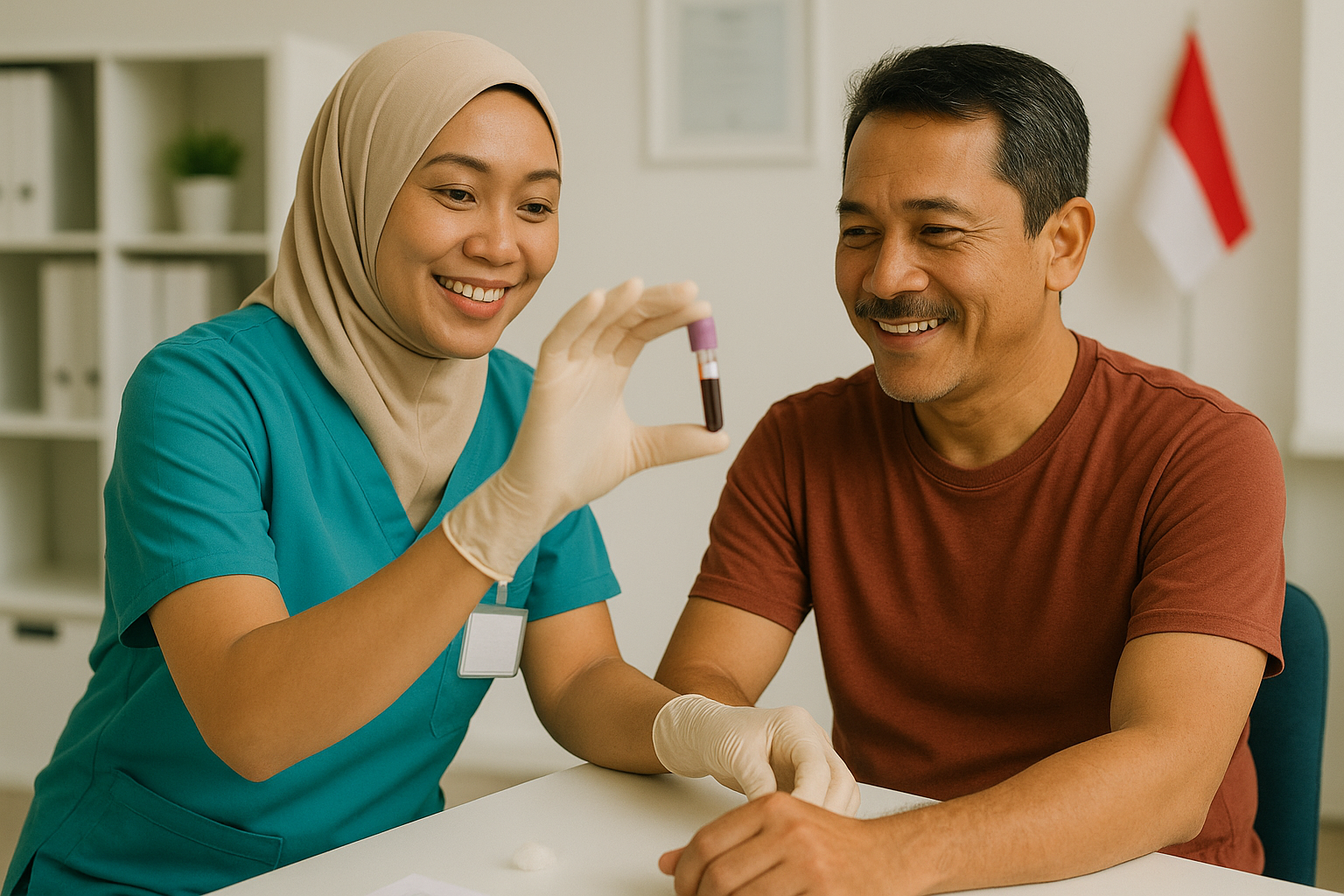
No supplement recommendation replaces actual data. A comprehensive men’s health blood test that includes 25-hydroxyvitamin D, total and free testosterone, SHBG, estradiol, and a full thyroid panel will tell you, in one sitting, whether your fatigue story is a vitamin story, a hormone story, or both. A meta-analytic review published on the NIH’s National Library of Medicine also reinforces that supplementation benefits are largest in men whose baseline numbers are truly low, which is another argument for testing before treating.
When Supplements Alone Are Not Enough
Vitamin D can restore what vitamin D controls. It cannot, on its own, rebuild a testicular system that has genuinely stopped producing enough testosterone. If your total testosterone sits below roughly 300 ng/dL across two morning blood draws, with matching symptoms, you may be dealing with clinical hypogonadism rather than a simple nutrient gap. Reviewing the normal testosterone levels by age chart is a useful sanity check before jumping to conclusions.
For men in that category, lifestyle and micronutrient optimization are still worth doing, but medically supervised hormone therapy is usually what moves the needle. Learning how testosterone replacement therapy works before a consultation helps you ask sharper questions, and Nova Men’s Health TRT program combines that therapy with nutrient screening so nothing gets missed.
The Bottom Line
These two hormones are not rivals fighting for the same resources. They are teammates, and when one is running on empty the other tends to underperform. Fix the deficiency, give your body a few months, and the usually-quieter complaints, from energy to mood to morning erections, often show up in a better mood themselves.
If you suspect either one is letting you down, do not guess. Book a consultation with Nova Men’s Health, get an honest panel, and build a plan around the numbers rather than the marketing. Your future self will remember who took the call seriously.